
Scrotal, Penile & Fertility
Orchidectomy
A safe, surgical procedure to remove a testicle for cancer treatment or hormone management. Includes options for silicone implants to maintain a natural appearance and expert guidance on recovery and fertility.
Key takeaways
- A safe, surgical procedure to remove a testicle for cancer treatment or hormone management. Includes options for silicone implants to maintain a natural appearance and expert guidance on recovery and fertility.
- Specialty: Scrotal, Penile & Fertility
30–60
Typical procedure timemin
Day case
Home same day or one night
Sperm freeze
Usually advised before surgery
Treatment Overview
About Orchidectomy
An orchidectomy is the surgical removal of a testicle. While this can sound daunting, it is a routine and highly effective procedure used for several reasons, including treating testicular cancer, managing advanced prostate cancer, or as part of gender-affirming care.
There are two main ways the surgery is performed:
Inguinal Orchidectomy: This is the 'gold standard' for suspected testicular cancer. The specialist makes a small cut in the groin (similar to a hernia repair) to remove the testicle safely and prevent any cancer cells from spreading.
Simple (Scrotal) Orchidectomy: The cut is made directly on the scrotum. This is typically used to lower testosterone levels for men with advanced prostate cancer or for gender-affirming surgery.
To maintain a natural look and feel, a testicular prosthesis (a soft, silicone implant) is routinely offered and can usually be inserted during the same operation.
Safety Information
Benefits, Risks & Side Effects
01
Benefits
For many men with early-stage testicular cancer, this surgery is the only treatment needed for a full cure.
Effective Cancer Control: It allows for a fast and definitive diagnosis and removal of the tumour.
Hormone Management: For those with advanced prostate cancer, it is a permanent and convenient alternative to having monthly hormone injections for the rest of your life.
Cosmetic Options: The availability of high-quality silicone implants ensures you can feel confident in your appearance following the procedure.
02
Risks
Orchidectomy is generally a very safe and straightforward operation. The most common minor risk is a collection of blood inside the scrotum (haematoma), which occurs in about 2–5% of cases and causes temporary swelling.
If you have the 'inguinal' (groin) approach, you might notice some temporary numbness in your groin or inner thigh—this is usually just a sign that the local nerves are slightly irritated and typically settles over time. In cancer cases, our specialists use highly refined techniques to ensure the procedure is performed with maximum safety to prevent any cancer cells from being disturbed.
03
Side Effects
It is very common to see bruising and swelling in the scrotum after surgery, which can sometimes spread to the penis or the groin area.
If one testicle is removed: Your remaining testicle will usually produce all the hormones and sperm your body needs, meaning your sex drive and fertility should stay normal.
If both testicles are removed: You will become infertile and your body will stop producing testosterone. This can lead to symptoms like hot flushes or tiredness, but these are easily managed with Hormone Replacement Therapy (HRT).
What We Treat
How Orchidectomy Can Help You
This treatment is effective for a wide range of health needs. Select a condition below to learn more about how we can support your recovery and improve your daily well-being.
Patient Journey
What to Expect
A step-by-step guide through your Orchidectomy journey—from preparation and what happens during the procedure to recovery and aftercare.
01/ 03
Before Procedure
Before your surgery, your specialist will conduct a few essential checks:
Scans & Bloods: If cancer is suspected, you will have a scrotal ultrasound and specific 'tumour marker' blood tests.
Fertility: If you are concerned about your future ability to have children, we will discuss sperm banking with you. Ideally, this is done before the surgery.
The Implant: You will be asked if you would like a silicone prosthesis (implant) inserted during the operation.
Fasting: As the procedure is usually done under a general anaesthetic (where you are asleep), you must not eat or drink for 6 hours beforehand.
02/ 03
During Procedure
The operation usually takes between 30 and 60 minutes and is performed in a hospital theatre.
Inguinal (Groin) Approach: The surgeon makes a 5–10cm cut in your groin to remove the testicle and its cord.
Scrotal Approach: The cut is made directly through the skin of the scrotum.
The Implant: If you have requested a prosthesis, it is carefully tucked into the empty space and secured with a few stitches.
03/ 03
After Procedure
Most patients go home the same day or after one night in hospital.
Rest: You will need 48 hours of complete rest. Using an ice pack (wrapped in a towel) for 10 minutes at a time can help with bruising.
Support: Wear snug-fitting, supportive underwear 24 hours a day for the first 2 weeks to keep swelling down.
Activity: Avoid heavy lifting (anything heavier than a kettle) and the gym for 4 weeks. You can usually return to a desk-based job in 7 to 10 days.
Follow-up: We will see you about 2 weeks later to check your wound. If the surgery was for cancer, we will discuss the laboratory results and see if any further treatment, like chemotherapy, is needed.
Specialists
Specialists for Orchidectomy
Leading experts for this treatment. View profiles to see clinical backgrounds and current availability.
 Mr. James ArmitageConsultant Urologist
 Mr. Nimish ShahConsultant Urological Surgeon
 Professor Christof KastnerAssociate Professor & Consultant Urologist
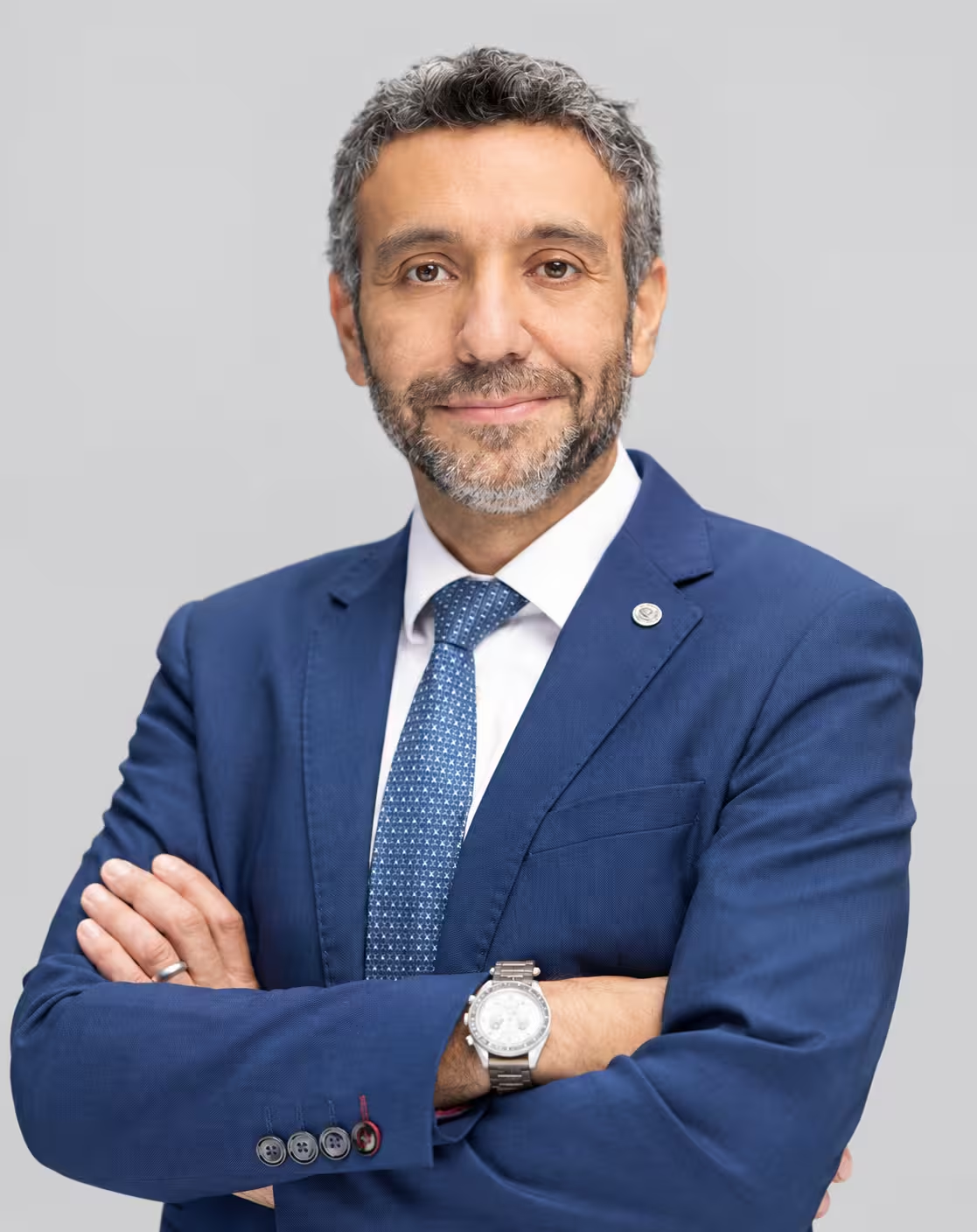 Mr. Kasra Saeb-ParsyConsultant Urological Surgeon
 Mr. Oliver WisemanConsultant Urologist
 Mr. David ThurtleConsultant Urological Surgeon
 Professor John KellyConsultant Urological Surgeon
 Mr. Laurian DragosConsultant Urologist
 Mr. Tev AhoConsultant Urologist
Our Commitment
Care you can trust
Every treatment is delivered to the same standard: senior consultants, a personalised plan, and the safety of an accredited private hospital behind you.
Consultant-Led Excellence
Receive evidence-based treatments delivered by senior NHS consultants in a professional, specialist setting.
Personalised Care Plans
Your consultant will design a bespoke treatment plan tailored to your specific health goals and lifestyle.
Hospital-Grade Safety
We operate within leading private hospitals, adhering to strict CQC safety and technology standards.
A Heritage of Trust
Our partners bring decades of NHS and private experience, successfully managing thousands of patient cases.
Trusted Resources
Trusted Patient Resources
For your insurer
Patient Guidance
Frequently Asked Questions
Common questions about this treatment and what to expect.
3 questions
Yes. A single healthy testicle is more than capable of producing enough testosterone for normal sexual function and enough sperm for fertility. Most men notice no change in their sex drive or performance. However, if you have other health issues or if you require chemotherapy later, we strongly recommend sperm banking as a safety measure before the surgery.
Reviewed 2 Mar 2026
Was this helpful?
Modern implants are made of soft, medical-grade silicone that mimics the weight and 'squishiness' of a natural testicle. While it may feel slightly firmer than a real testicle, it is designed to look natural through the skin of the scrotum. Most men find it helpful for their body image and self-confidence. It can be inserted during the orchidectomy or at a later date.
Reviewed 2 Mar 2026
Was this helpful?
The lymph nodes that the testicle drains to are located in the abdomen, not the groin. If we cut through the scrotum to remove a cancerous testicle, we could accidentally change the way the cancer spreads. By using an inguinal incision, we can remove the entire spermatic cord and the testicle as one unit, which is the safest way to ensure no cancer cells are left behind.
Reviewed 2 Mar 2026
Was this helpful?